What is Obstructive Sleep Apnoea?
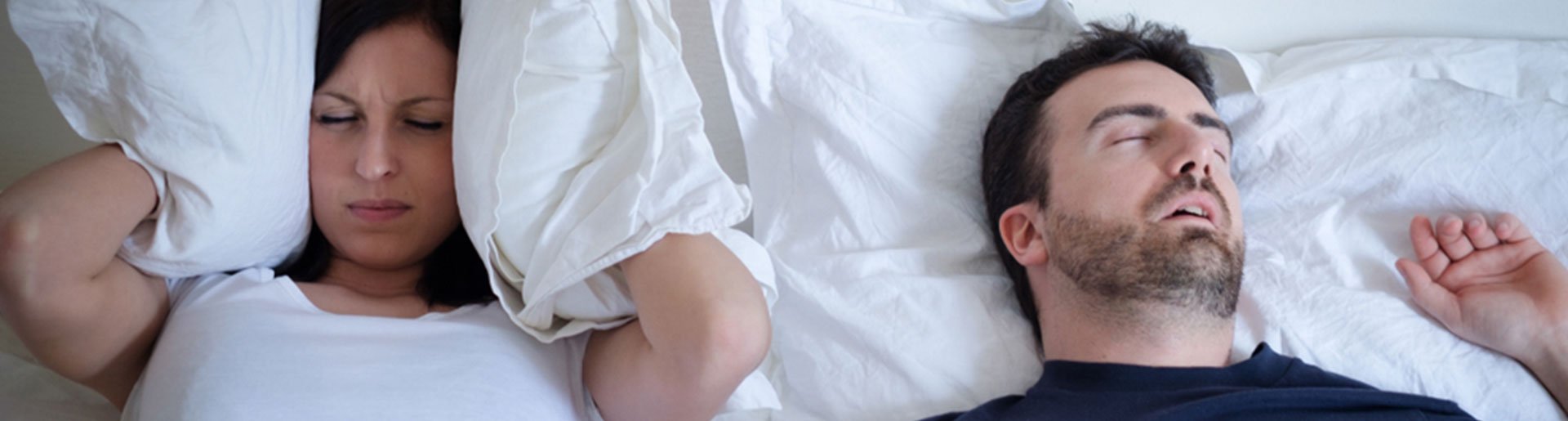
Obstructive Sleep Apnoea (OSA) is a sleep-related breathing condition in which the upper airway partially or completely narrows during sleep. This narrowing can reduce airflow and may result in brief interruptions to breathing.
These breathing interruptions, known as apnoeic events, can occur repeatedly throughout the night. When airflow is reduced or paused, oxygen levels in the blood may drop temporarily. The brain responds by briefly arousing the person from deeper stages of sleep in order to restore normal breathing. These arousals are often not remembered but may affect overall sleep quality.
Diagnosis of OSA requires a formal sleep study arranged through a medical practitioner or sleep physician.
Types of Sleep Apnoea
Obstructive Sleep Apnoea (OSA)
Obstructive Sleep Apnoea is the most common form of sleep-related breathing disorder. It occurs when the upper airway narrows or collapses during sleep, reducing or temporarily stopping airflow.
During an obstructive event, breathing efforts continue, but airflow is restricted due to soft tissue narrowing in the throat. These events may lead to brief arousals from sleep in order to restore normal breathing, which can affect overall sleep quality.
Central Sleep Apnoea
Central Sleep Apnoea occurs when breathing temporarily stops because the brain does not consistently send signals to the muscles responsible for breathing. In this type, the airway remains open, but breathing effort is reduced or absent.
Central sleep apnoea is managed medically, and referral to an appropriate medical specialist is required.
Mixed Apnoea
Mixed sleep apnoea involves features of both obstructive and central sleep apnoea. Diagnosis and management are determined following medical assessment and sleep study findings.
Who May Be at Increased Risk?
Certain factors are associated with an increased likelihood of obstructive sleep apnoea. These may include:
- Being male
- Being over the age of 40
- Being overweight
- Family history of sleep apnoea
- Smoking
- Structural airway differences
However, sleep apnoea can affect people of various ages, body types, and genders, including women and children.
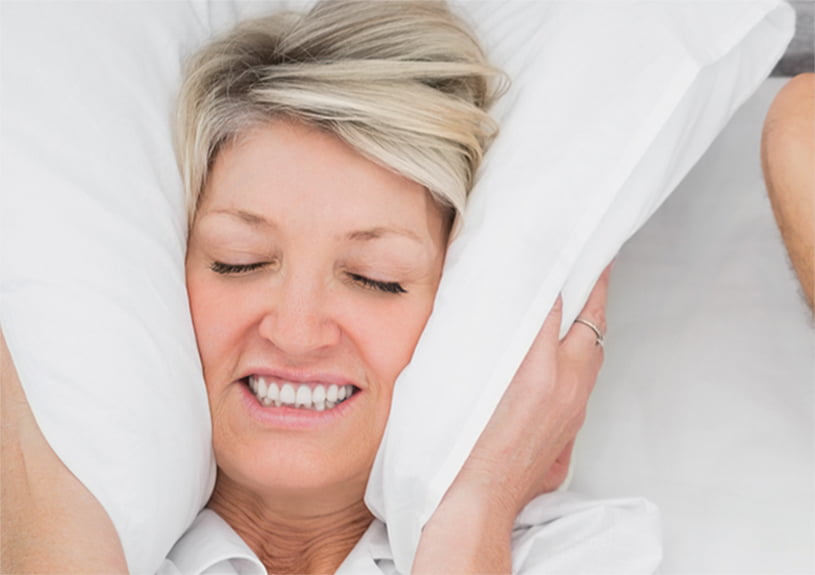
If you are experiencing symptoms such as loud snoring, daytime fatigue, or disrupted sleep, medical assessment is recommended to determine whether further investigation is appropriate.
Possible Signs and Symptoms of Sleep Apnoea
Symptoms associated with sleep apnoea may include:
- Loud or persistent snoring
- Daytime tiredness or fatigue
- Morning headaches
- Irritability or reduced concentration
- Frequently waking during the night
- Waking with a dry mouth
- Observed pauses in breathing during sleep
In some individuals, other features such as tooth wear from grinding, reflux symptoms, or mood changes may also be present.
Not everyone who snores has sleep apnoea, and these symptoms can be associated with other conditions. A formal sleep study arranged through a medical practitioner is required for diagnosis.
Assessment and Referral
If sleep apnoea is suspected, a sleep study must be completed before any treatment is considered. Diagnosis and classification of OSA are made by a qualified medical professional.
Where appropriate, your dentist may work in collaboration with your medical practitioner or sleep physician.
Snoring and Obstructive Sleep Apnoea Treatment Solutions
If you or a loved one snores, the problem can be more than just a social embarrassment. Historically those who were afflicted with the condition were left to live out their restless lives without a treatment solution. There are many non-surgical alternatives to traditional snoring and Sleep apnoea therapies. Sleep disorders, if left untreated, can result in a host of serious negative side effects to your overall health and mental well-being.
Oral Devices
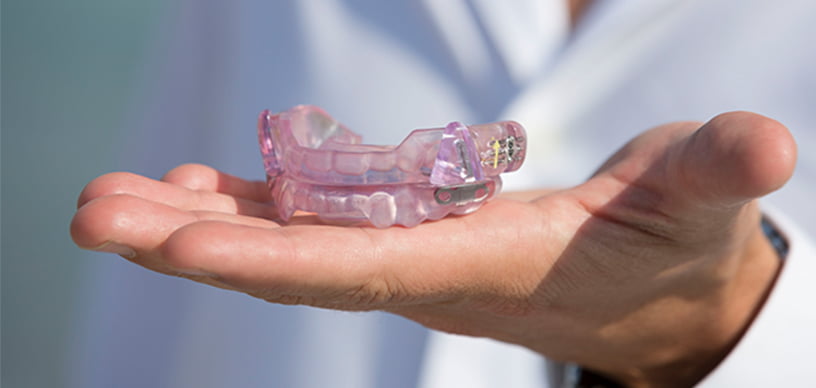
For patients diagnosed with mild to moderate obstructive sleep apnoea, or for those who are unable to tolerate CPAP therapy, a custom-made oral appliance may be considered.
Oral appliances are worn during sleep and are designed to reposition the lower jaw to assist in maintaining airway patency.
Suitability for oral appliance therapy is determined following medical diagnosis and dental assessment.
Individual outcomes vary.
Important Considerations
- A sleep study is required prior to commencing treatment
- Ongoing review appointments are necessary
- Regular dental monitoring is recommended
- Health fund rebates may apply depending on eligibility
Enquiries
If you have been diagnosed with sleep apnoea or would like to discuss assessment pathways, please contact our team to arrange a consultation.